Where Blood Doesn't
Make A Family
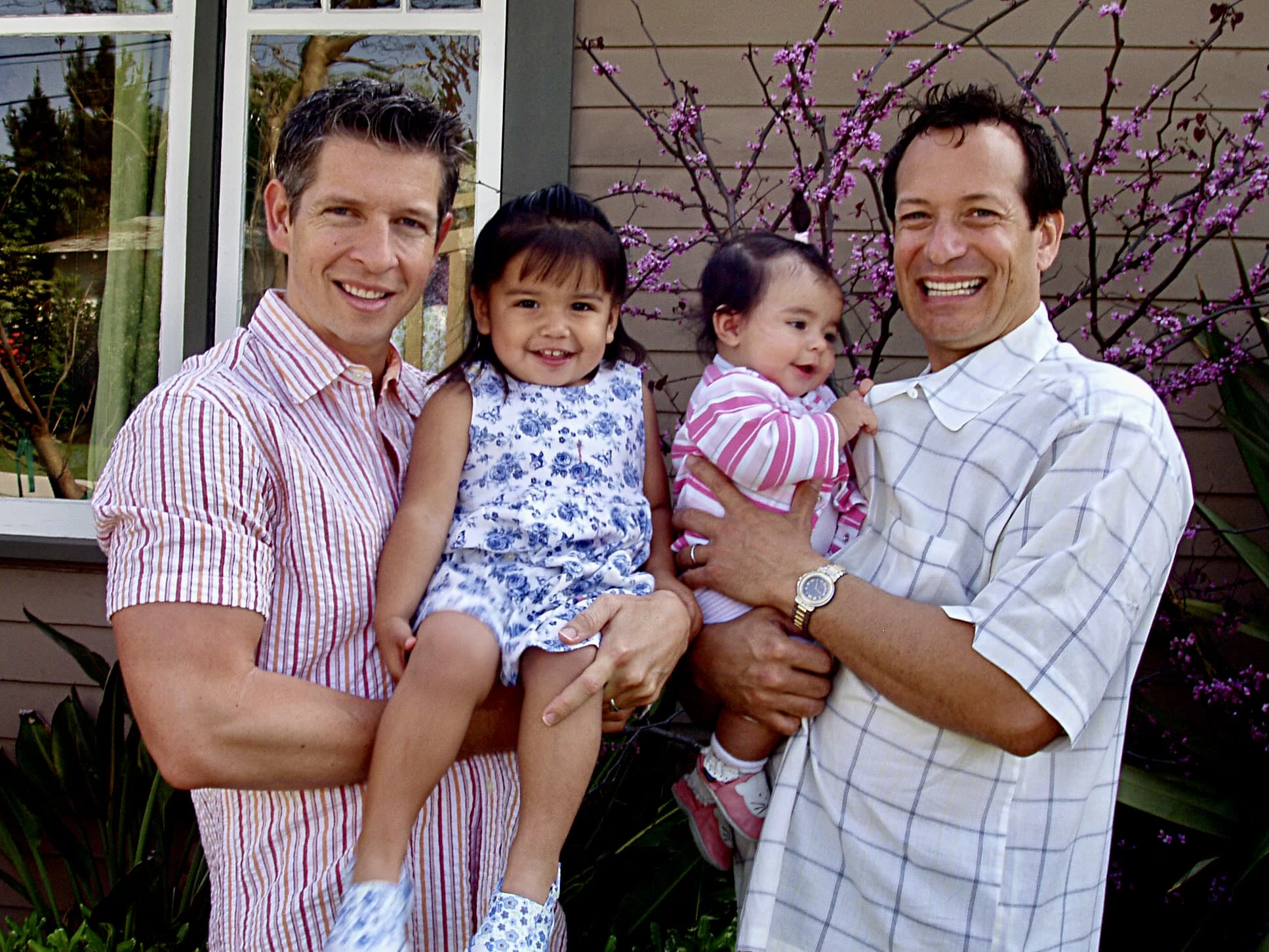

Think back to your childhood. Did someone ever tell you that you look like your mother, or father, or older brother, or sister? Odds are you’ve probably been told you look like someone in your family.
When you're adopted, comments like those are rarely said, especially for children who are adopted into families where the ethnicity of the child is different from that of the families.
Situations similar to that are part of the many reasons adopted children are likely to struggle with finding their identity and discovering who they are within their ethnicities. That is the reality for adopted children, and that was the reality for me. For this project I won’t just be telling my own story of identity and adoption, I will be telling the story of other people like me and their families.

According to a study conducted by UCLA TIES for Families, three out of the 35 adopted children who come from transracial families that participated in the study reported feeling that having a different race from their adoptive families was difficult for them. Alina Baltazar, a licensed clinical social worker who has worked with a handful of adopted children, believes that the root cause of adopted children struggling with identity in a family that doesn’t look like them stems from a lack of intentionality to connect the child with their culture.
Baltazar believes that adoptive families who intentionally connect their children with their identity and culture will raise adopted children who are less likely to struggle with their identity.
Paula Cronovich wanted to do exactly that.

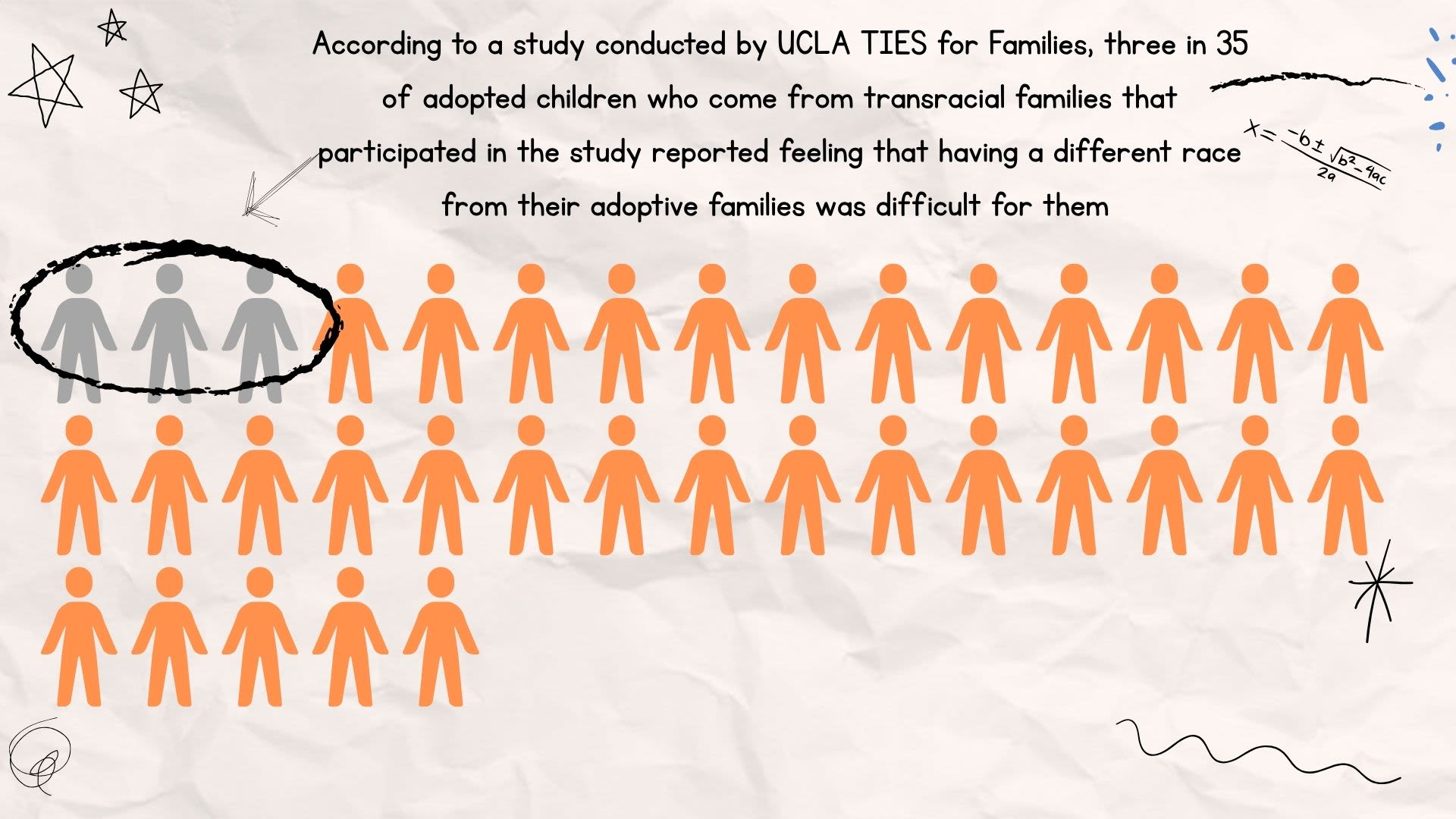

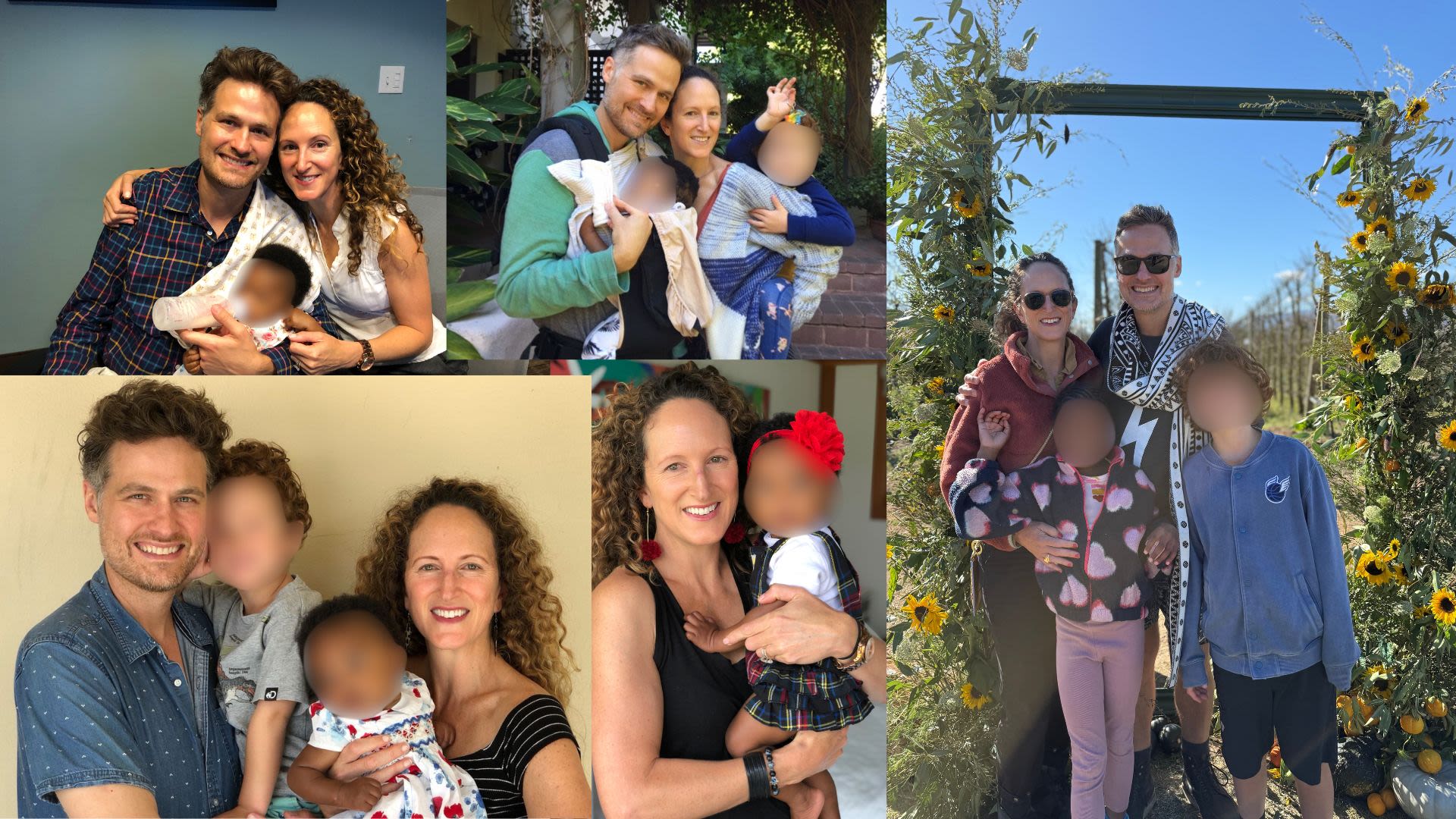

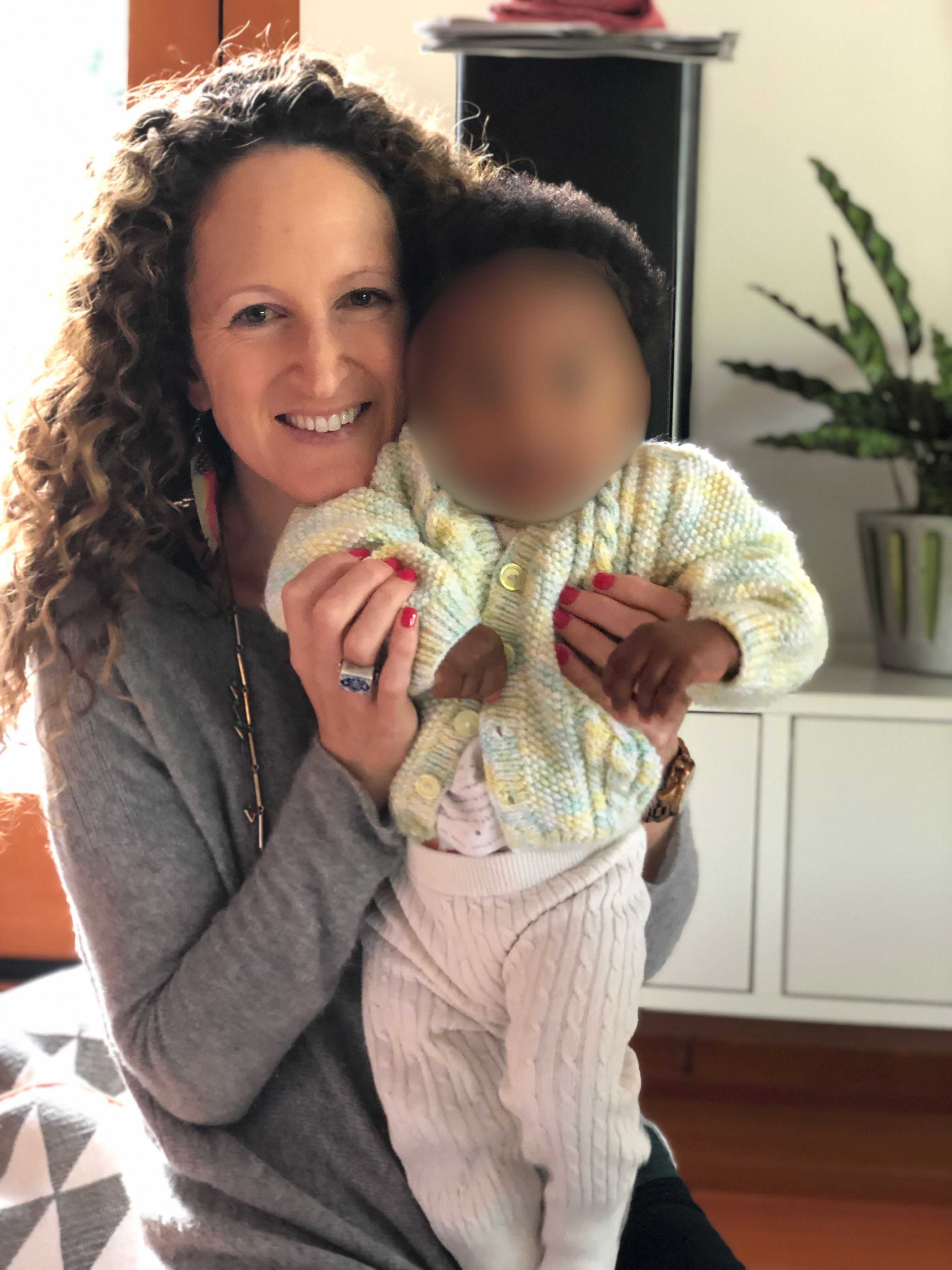
Photo of Paula Cronovich (L) and her daughter (R) courtesy of Paula Cronovich.
Photo of Paula Cronovich (L) and her daughter (R) courtesy of Paula Cronovich.
Paula Cronovich’s son walked into the frame of a 9 a.m. Zoom call. He whispered something to her, and she whispered back.
“Here’s one of them,” Cronovich said, ruffling his hair as he walked out of frame. “But yes, I’d be happy to tell you about my daughter.”
Cronovich’s daughter was 5 days old when Cronovich adopted her. The adoption agency she used called her on a Thursday afternoon. The agent said there was a baby girl at a hospital in Florida who needed a home.
By Saturday night Cronovich and her husband were at the hospital meeting their daughters.
For six years they waited before looking into domestic adoption. In those six years they had a son. Cronovich’s husband thought adoption might not work out for them, and they should just be grateful for what they had. Cronovich disagreed and continued to push toward adoption. Even after going through another agency they still had to wait, which is why getting the call was completely out of the blue. When they finally met their daughter, she was sound asleep. On the car ride back to a family's house Cronovich and her husband kept peeking over the car seat at her, waiting for her to wake up.
They didn’t know who the birth parents were, and didn’t need to wait for her birth parents to fill out any paperwork. Instead they were able to leave the hospital with her the same day.
But before being able to bring their daughter to their home in California, Cronovich and her husband first had to wait for approval to cross state lines. This process can take weeks , so in the meantime they stayed with relatives in Florida. Their daughter was immediately showered with love and affection with her older cousins pleading to let them hold her.
When her daughter was around one and a half years old, she asked Cronovich “Where did I come from?”
Cronovich knew that her daughter was beginning to recognize that she didn’t look like her parents. This encouraged Cronovich to continue to bring her into spaces where she had someone to look up to and not hide behind the veil of “it’s all love,” a common viewpoint which essentially doesn’t attempt to connect with heritage. She did this through finding a community at church and the school her daughter attended.
According to Identity Learning, a research organization dedicated to educating and supporting adoptive families and their children, Cultural Competency within the context of adoption is a method used to celebrate a “child’s birth culture.” It is essential to do this in a transracial family to ensure the questions of identity and belonging are addressed early in the child’s development.
Cronovich did this through connecting her daughter with people who looked like her daughter so she had someone to look up to as well as creating a community to support her daughter. Zaila Smith and adoptee from Ethiopia found different ways to connect with her own Ethiopian heritage, specifically through food.

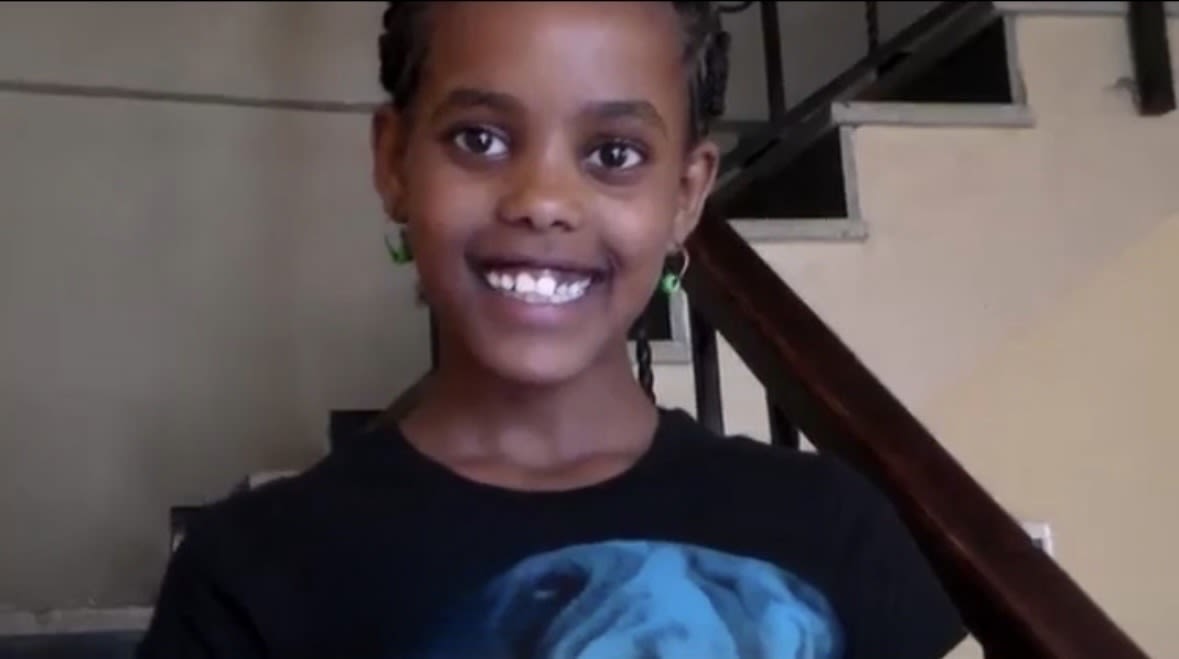
A photo of Zaila Smith courtesy of Zaila.
A photo of Zaila Smith courtesy of Zaila.
Zaila Smith was adopted when she was 8 years old from Ethiopia to a family in Colorado. Her adoptive family didn’t look like her, and she struggled to communicate with them. Eventually she began to learn English and was able to connect more with her adoptive family. Since Smith was old enough to understand that she felt homesick and distant from her culture she managed to find ways to connect with her culture through food, music, nature and running. Smith, now an adult, is learning to combine both her heritage and the person she has developed into after adoption.
Similar to Cronovich, my parents had to wait a couple of weeks before being able to bring me home to California from Nevada. As I grew up my parents helped me connect to my heritage by helping me learn to speak Spanish and celebrating traditional celebrations in my culture such as Dia De Los Muertos (day of the dead). Much like Smith, learning to combine my Hispanic heritage with the community and environment I grew up in is also something I’m learning to do in adulthood. My adoption, however, was an open adoption similar to the adoption of Chris Wakefield’s son, Evan.

Tucked into the corner of a busy street in OB is Johnny Mañanas with their typical Taco Tuesday deals. At a table in the back across from the salsa bar, Chris Wakefield and his family two-year old Brooklyn handed me a plastic straw as Chris settled her onto his lap and his seven-year old Evan next to him. Evan smashed his fists onto his toy cars exclaiming “ooh’s” and “ahh’s” when the cars caught air time.
“How crazy to think that if we hadn’t started the paperwork when we did we would’ve never have met these two incredible kids,” Chris said.
“We got the two best,” Chris’s wife Jenny said.
Chris and Jenny knew they wanted kids and decided adoption was the best route for them. Before they could begin finding families looking to have their children adopted, they first had to do blood tests and look into their own families’ medical history, and then wait to be matched with a child. All of this work and investigation lead to waiting months to be approved for adoption, followed by the hope that they received doesn’t fall through.
In the adoption of Evan, his birth parents had already begun looking for a family to adopt him before he had been born. This meant that Chris and Jenny could be there for the birth. When the time finally came, Chris and Jenny anxiously waited outside of the hospital room until Evan’s birth father came out and let them know it was time to meet baby Evan.
Jenny is Filipino and Evan is half Filipino. Chris is not. Chris and Jenny wanted to be intentional in helping Evan gain a sense of identity in his ethnicity.
Evan’s adoption was open, meaning his family opted to leave the doors open for communication with Evan’s birth family. A closed adoption would close the doors for communication with the birth family until the child or adoptive parents search for the birth family.. Chris said that having an open adoption helped them connect Evan with his culture. Evan is being taught Filipino and spending time with his Lola (Grandma in Filipino) and Lolo (Grandpa in Filipino).
Chris and Jenny didn’t want Evan to grow up without being exposed to his culture.
“We don't want him to be a replica,” Chris said. “We want him to be his own person and like and his ethnic background and his identity is way bigger art than me.

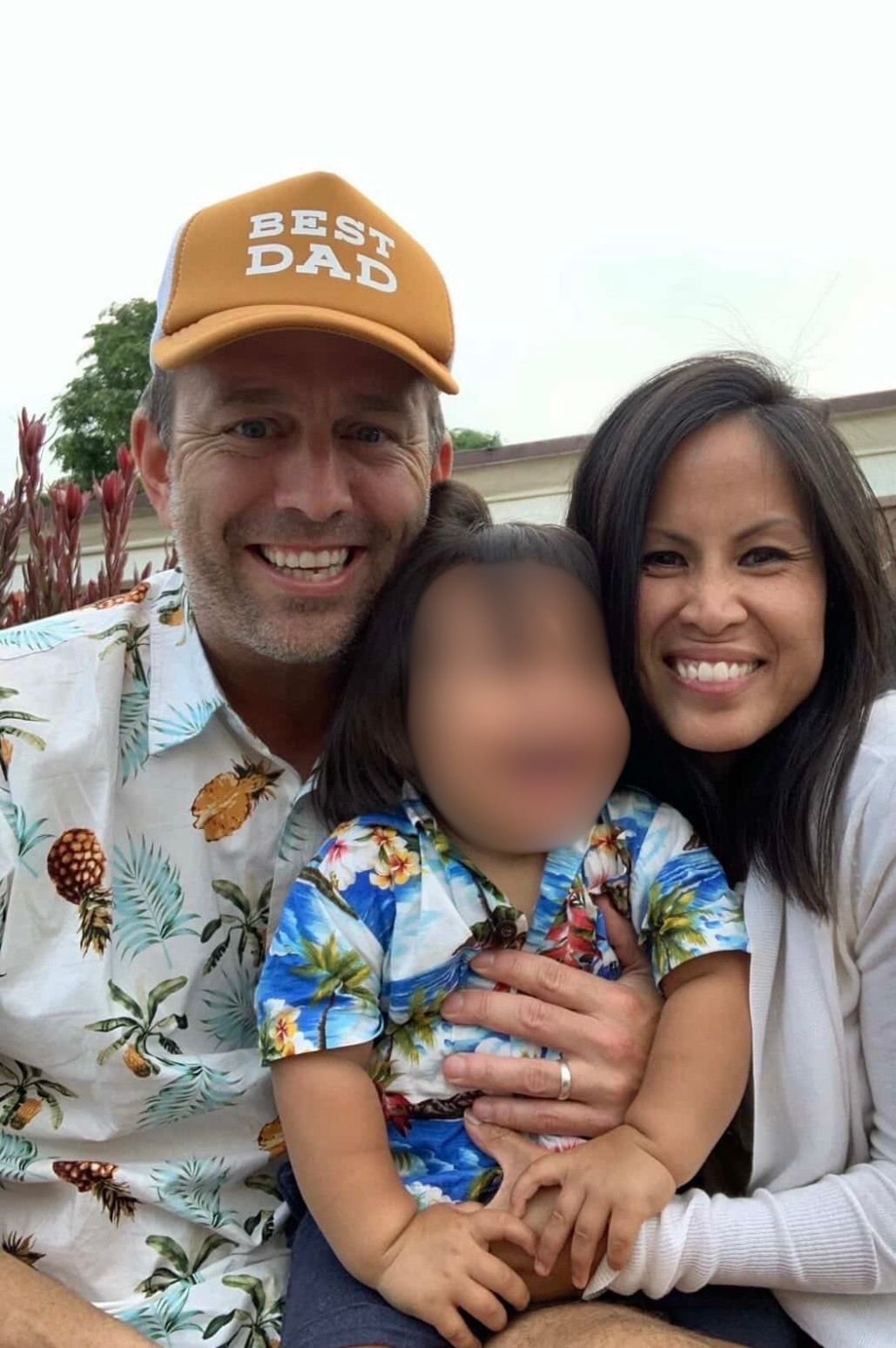
Photo of Chris Wakefield (L), Evan (M) and Jenny (R) courtesy of Chris Wakefield.
Photo of Chris Wakefield (L), Evan (M) and Jenny (R) courtesy of Chris Wakefield.

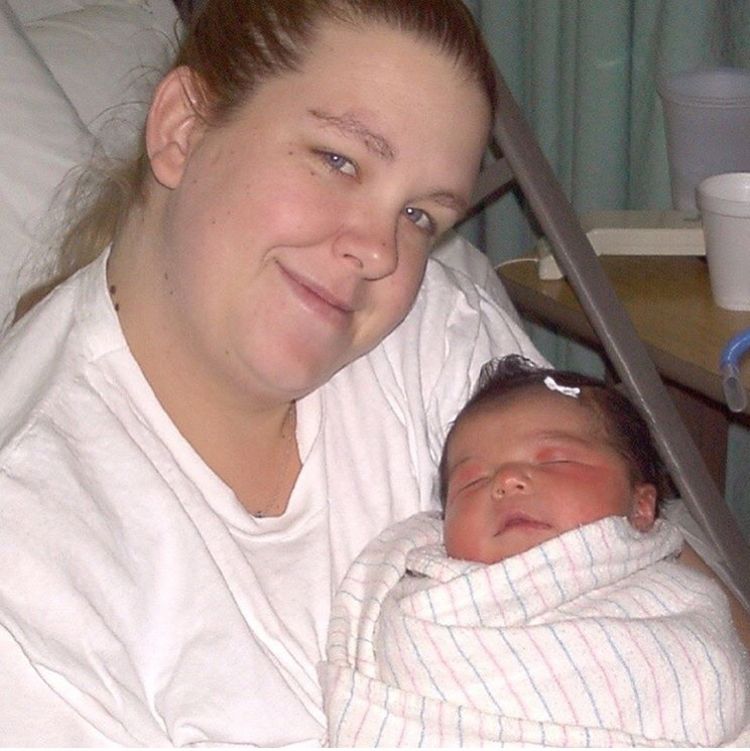
A photo of me and my birth mother in 2003 taken by my parents.
A photo of me and my birth mother in 2003 taken by my parents.
According to the National Library of Medicine there were three major challenges that children adopted into transracial families face; “coping with being different; struggling to develop a positive racial/ethnic identity; and ability to cope with discrimination and bias.” Challenges like these are contributors to the three in 35 children who felt having a different race than their adoptive parents was difficult for them. Chris and Jenny are dedicated to helping Evan learn about his heritage and grow into someone with strong connections and confidence in his identity.
After I was adopted my parents, much like Chris and Jenny, also kept in contact with my birth mom for a few months. They exchanged letters and photos that would eventually intrigue my curiosity to find her after losing contact with her.
While it is true and proven through my data research that children who are adopted into transracial families tend to struggle with their identities and connecting with their culture, it is also true and proven through my interviews that adoptive parents who are well equipped and prepared to be intentional in connecting their children with their culture will raise more confident children.
Socials for project
 Built with Shorthand